Used cooking oil is a by-product of a type of vegetable oil that was previously used in cooking or frying. It is typically made from peanuts, soybeans, sunflower seeds, or rapeseed. On the other hand, palm oil is a type of vegetable oil that is derived from the palm fruit. It is used in cooking and as an ingredient in many foods, cosmetics, and skincare products. And nowadays, both of these oils are being utilized as environmentally-friendly additives in producing asphalt mix for asphalt paving.
So how used cooking oil and palm oil are utilized as an eco-friendly binder in asphalt paving? Find out more as you read this post further.
What Is A Binder
A binder is a material used to join other materials together. In the context of asphalt paving, binders help to keep the pavement in place and prevent it from cracking. There are different types of binders that can be used, but the most common are asphalt and concrete.
What Makes A Binder With Palm And Used Cooking Oil As Additives A More Practical Choice
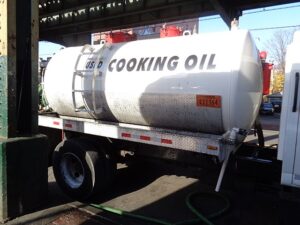
The use of palm oil and used cooking oil as an eco-friendly binder in asphalt paving is a relatively new concept. However, there is growing interest in this approach due to its potential environmental benefits. For starters, they are both renewable resources, so they are more sustainable than petroleum-based products. Aside from that, they both have lower melting points, which makes them easier to work with in hot weather.
Also, using these oils are a great way to reduce pollution and conserve resources as these oils are renewable resources that can be used over and over again. They are also biodegradable, so they will not harm the environment if they are released into the air or water.
Moreover, the use of cooking oil and palm oil as an eco-friendly binder in asphalt paving is also a great way to save money. The cost of these oils is much lower than the cost of traditional binders, such as petroleum-based binders. Asphalt paving projects that use these oils as a binder can save up to 50% on the cost of the project.
How These Oils Are Mixed Together To Create A “Green” Asphalt Mix
The two oils are mixed together in a specific ratio and then applied to the asphalt. To be specific, the cooking oil is heated and then mixed with the asphalt. The palm oil is also heated and then mixed with the asphalt. The two oils are then combined and used to bind the asphalt together. This process is called “hot mixing.” The hot mix is then used to pave the road.
This mixture helps to bind the asphalt together and makes it stronger, which is why it’s often used in paving. It also helps to protect the asphalt from weathering and UV damage, which can cause it to break down over time. This eco-friendly binder is also a great way to extend the life of your asphalt paving.
Will Your Pavement Smell Like Fried Food
No, your pavement will not smell like fried food after applying an asphalt with palm and used cooking oil binder. The oil will help to bind the asphalt together, forming a smooth surface that is less likely to crack. This will help to keep your pavement in good condition and reduce the need for repairs. Asphalt that is bound with palm and used cooking oil is also more eco-friendly than traditional asphalt because it uses sustainable materials.
Is It Effective In Cold Climates
There is a lot of debate surrounding the use of palm oil and used cooking oil in asphalt paving. Some people argue that it is not suitable for cold climates, while others maintain that it can be effective in colder areas as long as the right mix is used. There have been some successful implementations of this type of paving in cold climates, so the jury is still out on this one.
However, there are some clear benefits to using these eco-friendly binders in asphalt paving.
If you’re looking for a reliable paving company, you can go to BoswellsPaving.com in Springfield, Ohio today.