Ever wondered how long does a concrete driveway last? You’re not alone. It’s a common question homeowners ask. But don’t worry, we’ve got you covered. In this article, we’ll explore the lifespan of a concrete driveway, factors affecting its durability, and tips to increase its longevity.
We’ll also tell you when it’s time for a replacement. So, let’s jump right in and help you get the most out of your investment.
Understanding the Lifespan of a Concrete Driveway
Before you can accurately determine how long your concrete driveway will last, it’s vital that you understand the factors impacting its lifespan. The type of concrete used, the weather conditions it’s exposed to, and how well it’s maintained over time are all key aspects.
Firstly, let’s talk about the materials. Not all concrete is created equal. If you’ve opted for higher quality mix that’s been carefully installed, you’re already on track for a driveway that could last up to 50 years. But if you’ve gone for a cheaper option, it might start showing wear and tear after just a decade.
The environment also plays a big role for the longevity of the concrete slab. If you’re living in a region with harsh winters, the freeze-thaw cycles can cause cracks in the concrete over time. On the other hand, if your driveway is constantly exposed to high temperatures, it can also lead to damage.
Lastly, don’t underestimate the power of good maintenance. Regular cleaning, sealing, and prompt repair of any damage can significantly extend the life of your driveway. It’s like with anything else in life – the better you take care of it, the longer it will serve you well.
Factors Influencing the Durability of a Concrete Driveway
You’ll often find that the durability of your concrete driveway isn’t just about the material itself, but also about a variety of other factors that can greatly impact its lifespan just like an asphalt driveway.
Firstly, the installation process plays a crucial role. If the concrete was improperly mixed or poorly laid, it’s likely to crack or break down sooner. So, choosing a reliable contractor who uses quality materials and follows best practices is essential.
Secondly, the climate in your area can significantly affect the driveway’s longevity. Concrete can crack in extreme cold, while intense heat can cause it to expand and contract, leading to damage over time. Your driveway’s exposure to these conditions can cut its lifespan short.
Another significant factor is how you maintain your driveway. Regularly sealing the surface can protect it from weather damage and prolong its life. Ignoring cracks or other signs of damage can lead to major issues down the line.
Lastly, the weight and frequency of vehicle traffic your driveway endures will impact its duration. Heavy vehicles or constant use can wear it down faster. So, be mindful of these factors to get the most out of your concrete driveway.
Proper Installation Techniques for Long-lasting Concrete Driveways
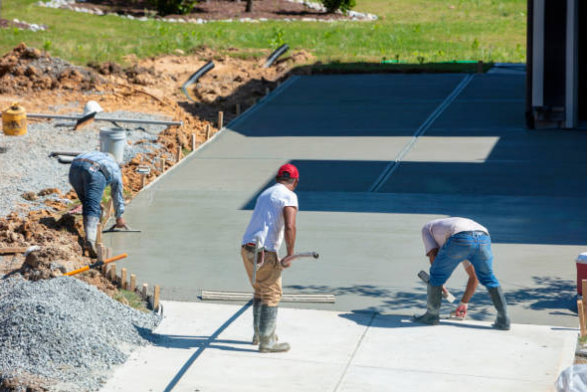
By adhering to proper installation techniques, you’re significantly increasing your driveway’s chances of standing the test of time. It’s not just about pouring concrete and hoping it lasts. There’s a process to follow.
Firstly, you’ve got to properly prepare the ground. This includes clearing the area of debris and ensuring a level surface. It’s also crucial to compact the soil before pouring the concrete. This helps prevent sinking and cracking.
Secondly, use high-quality concrete mix. You might be tempted to cut costs here, but it’s not worth it. Cheap concrete won’t hold up, and you’ll end up spending more on repairs.
Thirdly, let’s not forget about reinforcement. Using rebar or wire mesh gives the concrete strength and helps prevent cracking. It’s an extra step, but one that’s worth the time and effort.
Lastly, the curing process is key. You need to allow the concrete to dry slowly to achieve maximum hardness. This often means keeping it moist for several days.
If you are considering installing a concrete driveway, it is highly recommended to consult a professional contractor for more information and guidance. Concrete driveways can greatly enhance the curb appeal of your property and provide a durable surface for your vehicles. However, proper installation is essential to ensure longevity and prevent any potential issues.
Contact Biondi Paving in Sacramento today as they have the knowledge and expertise to assess your specific requirements, offer advice on materials, and ensure that the installation process is carried out correctly. They can also provide you with information on maintenance and repairs to keep your concrete driveway looking its best for years to come.
Importance of Regular Maintenance for Concrete Driveways
Even if your driveway is expertly installed, it’s still crucial to perform regular maintenance, and this can extend its lifespan by up to 25 years or more. You might think that once your concrete driveway is in place, you can forget about it. But that’s not the case. Regular upkeep is the key to longevity.
Here are four maintenance steps you shouldn’t overlook:
1. Regular Cleaning
Dirt, grime, and stains can slowly degrade your driveway. Washing it regularly ensures it remains in good condition.
2. Sealing
A high-quality sealer can protect your driveway from water, oil stains, and other damaging elements. Reapply it every few years for maximum protection.
3. Prompt Repairs
If you notice cracks or holes, fix them promptly. Small issues can develop into major problems if left unchecked.
4. Avoid Overloading
Excessive weight can cause cracks in your driveway. Keep heavy vehicles and equipment off it.
Environmental Conditions and Their Impact on Concrete Driveways
While you’re keeping up with maintenance, it’s also important to consider how environmental conditions can impact the longevity of your concrete driveway. You mightn’t realize it, but Mother Nature can be tough on your driveway. Elements such as rain, sun, snow, and temperature fluctuations can contribute to the wear and tear.
Rain and snow, for instance, can seep into tiny cracks, causing them to expand and contract. This eventually leads to larger cracks and potholes. Sun exposure, on the other hand, can cause the color of your concrete driveway to fade over time. It can even lead to surface flaking, which affects the overall appearance of your driveway.
Temperature fluctuations also pose a threat. In colder climates, freeze-thaw cycles can cause concrete to crack and split. Meanwhile, in warmer regions, extreme heat can cause the concrete to expand and then shrink when it cools down, leading to cracks.
To mitigate these issues, consider sealing your driveway regularly to protect it from water damage and UV rays. Also, investing in high-quality concrete that can withstand your local climate will pay off in the long run. Remember, the right care can make all the difference in the lifespan of your concrete driveway.
How to Enhance the Longevity of Your Concrete Driveway
You’ve got a concrete driveway, and you want it to last as long as possible. It’s no secret that maintenance is key to enhancing the longevity of your concrete driveway. But, where do you start? Here are four simple steps for making your driveway last:
1. Regular Cleaning
Don’t underestimate the power of a good clean. Dirt and grime can accumulate over time, leading to deterioration. Use a power washer every few months to keep your driveway spick and span.
2. Seal the Concrete
Concrete is porous, and water can cause damage over time. A quality sealant will create a barrier against water, extending your driveway’s life.
3. Avoid Chemicals
Certain de-icing chemicals can cause concrete to crack and scale. Try to use sand for traction in icy conditions instead.
4. Address Cracks Promptly
If cracks do appear, address them immediately. Small cracks can quickly become big problems if left unattended.
Signs of Wear and Tear: When to Replace Your Concrete Driveway
Let’s now turn our attention to the signs that indicate it’s time for you to replace your concrete driveway due to wear and tear.
You might notice deep, wide cracks, potholes, or crumbling areas, which could indicate that your driveway has reached the end of its lifespan. These damages aren’t just unsightly; they can pose tripping hazards and damage your vehicle.
If you’re constantly patching your driveway or if the surface is uneven, it might be time for a replacement. Frequent repairs can become costly and merely serve as a temporary fix for underlying issues. Uneven surfaces might be due to a poor initial installation or substantial ground movement, which can lead to more severe problems down the line.
Discoloration is another sign of wear and tear. While you can pressure wash your driveway to remove surface stains, deep, stubborn discoloration might indicate damage beneath the surface.
Lastly, if your driveway is more than 20 years old, consider a replacement. Even with meticulous care, concrete driveways typically last about two decades before they need a replacement.
Conclusion
So, your concrete driveway’s lifespan greatly depends on factors like installation quality, regular upkeep, and environmental conditions. With proper installation and routine maintenance, it can serve you well for about 25 to 50 years. Be mindful of any signs of wear and tear and take necessary action to maximize its longevity.
Remember, a well-maintained concrete driveway isn’t only durable but also enhances the curb appeal of your home.