Asphalt is one of the most popular materials for driveway paving because it is durable, weather resistant, and can handle a lot of traffic. Additionally, it is usually less expensive than other driveway paving options. However, one downside to asphalt is that it can be difficult to repair.
But what is the right mixture of asphalt for driveways? If you want to know more, we invite you to read further as we’re going to talk about this topic in today’s entry.
Types Of Asphalt Used For Driveway Paving
There are a few different types of asphalt to choose from, each with its own benefits and drawbacks. The most common type is blacktop, which is a mix of asphalt and fine gravel. It’s durable, weather-resistant, and relatively easy to install.
Another option is slurry seal, which is a type of asphalt sealant that’s applied directly to the surface. It’s less durable than blacktop but can be a good option for driveways that don’t see a lot of traffic.
Finally, there’s chip seal, which is a mix of asphalt and larger stones. It’s more difficult to install but provides a longer-lasting finish.
How To Determine The “Correct” Mixture
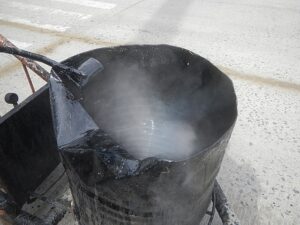
When choosing asphalt for your driveway, it is important to select the right mixture. The right mixture will be durable and long lasting, while the wrong mixture can crack and crumble over time. Luckily, there are a few things you can do to ensure you select the right mixture for your needs.
To start, you should consult with a professional. They will be able to help you select the right asphalt mixture based on the climate in your area and the amount of traffic your driveway typically receives.
Once you have consulted with a professional, it is important to choose an asphalt mixture that contains high-quality aggregates, and a capable professional contractor like Highway Masters Paving in Los Angeles will be able to help you with this. The type of aggregate you select will depend on the climate in your area. For example, if you live in an area with extreme temperatures, you will want to choose an asphalt mixture that contains crushed stone or gravel.
It is also important to make sure the asphalt contractor you hire uses a hot mix asphalt plant. This type of plant can help to ensure the asphalt is mixed correctly and at the right temperature.
Finally, you should have your driveway seal coated every few years. This will help to protect the asphalt and extend its lifespan.
Is There A “Best” Type Of Asphalt For Driveways
There is no one “best” type of asphalt for residential driveways, as different homeowners have different needs and preferences. However, most asphalt driveway installations use a mix of asphalt, gravel, and sand. This mixture can be tailored to fit the needs of each driveway, whether it’s a short driveway for a single-family home or a long driveway for a multi-family home. The right mixture of asphalt for your driveway will depend on factors such as the climate, the amount of traffic, and the desired lifespan of the driveway. Talk to a professional asphalt contractor to find out what mix is best for your needs.
What Is The Ideal Ratio Of Asphalt Mixture For Residential Driveways
When it comes to asphalt mixture for residential driveways, there is no one perfect recipe. A variety of factors such as climate, traffic patterns and the type of driveway surface will all play a role in determining what the ideal ratio should be. However, there are some general guidelines that can help you find the right mix for your driveway.
In general, the asphalt mixture for a residential driveway should be made up of about 70 percent gravel and 30 percent asphalt. The exact proportions may vary slightly based on your specific needs, but this is a good starting point. Once you have the right ratio of gravel to asphalt, you’ll need to add in some binding agents to help bind the two materials together.
There are a number of binding agents that can be used, but the most common is called emulsified asphalt. This material is made up of a mixture of asphalt and water, and it helps to bind the gravel and asphalt together while also providing some added stability. Once you have your binding agent, simply mix it in with the gravel and asphalt until everything is evenly mixed.
Once you have the right mixture of asphalt and gravel, you’ll need to make sure it’s properly compacted. This is typically done with a heavy roller or plate compactor. The goal is to get the mixture as dense as possible so that it will be able to withstand the weight of traffic. Once the mixture is fully compacted, it’s ready to be used.