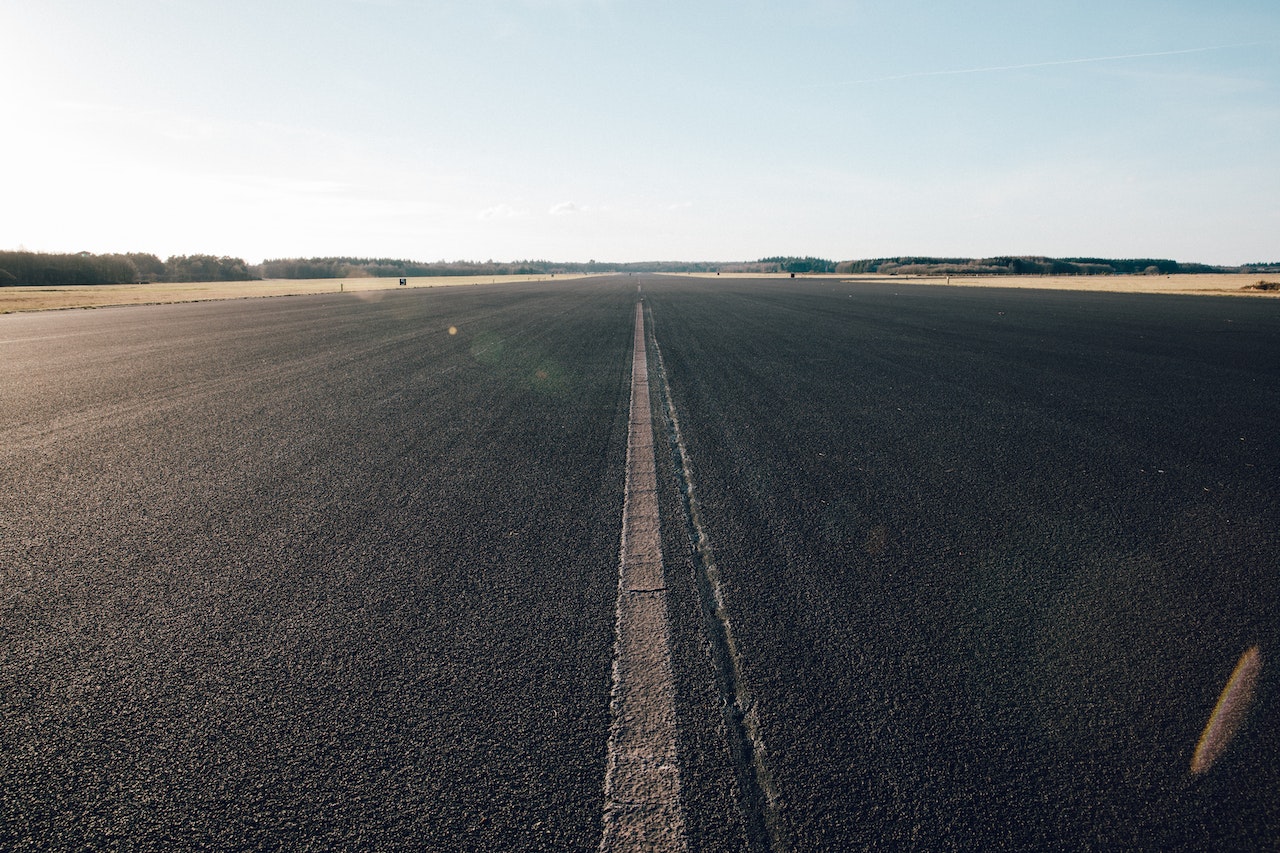
Asphalt deterioration is the natural wearing down of asphalt pavements. This can be caused by a number of factors, such as weather conditions, traffic, and the weight of vehicles. Other factors can include rocks, stones, and roots that crack the asphalt. The deterioration of roads may also be caused by poor construction, which is why it is important to ensure that the construction is done in accordance with engineering specifications.
Read more as we are going to tackle this topic about what can damage asphalt pavements in today’s entry.
Some Types Of Asphalt Pavement Distress
There are a few different types of pavement distress and here are some of them:
Cracking: This is one of the most common signs of asphalt deterioration. It can be caused by a number of factors, such as the weather, traffic, and weight of vehicles.
Potholes: Potholes are created when water seeps into the pavement and then freezes. This can cause the asphalt to crack and eventually form a hole.
Raveling: Raveling occurs when the surface layer of asphalt begins to separate from the underlying layer. This is often caused by traffic or the weather.
Spalling: Spalling is when pieces of the surface asphalt break away and exposing the underlying aggregate. This is often due to water or salt, which can cause the base material to swell and break apart.
Degradation of the underlying material: This is often due to overloading or underloading of asphalt mix. It can also be caused by heat expansion in hot weather, water saturation while it freezes, or any other condition that causes too much stress on the road while it is being built.
Fatigue: As asphalt is exposed to repeated stress from traffic, it can start to crack and crumble.
A common misconception is that asphalt roads wear out instead of wearing down, but their deterioration is gradual over time due to environmental conditions such as weathering, precipitation, temperature fluctuations, and vehicular traffic. The stability of an asphalt pavement can be measured by its rutting depth, the severity of cracking, and its resistance to fatigue.
It is also a misconception that new asphalt roads do not need any maintenance at all, however they may soon need some surface level repairs after being used for a while. It takes several decades before new roads will settle with the surrounding environment and form the cracks needed for proper drainage. This is why newly constructed roads often have fresh asphalt laid directly on top. Once the road is installed, it should be sealed to prevent water damage and dust particles from penetrating the surface.
Other Elements That Can Distress Asphalt Surfaces
Motor oil can damage asphalt pavements in a few ways. One way is by weakening the material and causing it to deteriorate faster. Additionally, the oil can mix with rainwater and create a slick surface that’s dangerous to drive on. Asphalt that’s been damaged by motor oil will also be more prone to potholes and other types of pavement failure.
Aside from that, motor oil is not the only thing that can damage asphalt pavements. Heavy vehicles can also be a big contributor to pavement distress. When a vehicle drives over asphalt, it puts a lot of weight on the surface. This can cause the material to weaken and deteriorate faster than usual. Additionally, if the load is too heavy for the pavement, it can cause potholes and other types of pavement failure.
Furthermore, UV rays can cause asphalt to fade and deteriorate, which is why it’s important to keep it protected with a sealant. The sealant will help create a barrier between the asphalt and the sun’s harmful rays. Without protection, the asphalt can become brittle and crack, and the black color can fade away. This can drastically reduce the road’s lifespan and make asphalt maintenance more costly.
How Can These Issues Be Corrected?
There are many ways to correct asphalt deterioration. One of the most common is surface patching, which involves repairing only the affected area by adding an overlay and compaction. Another way is full-depth repair, where a heavy machine punches out all the damaged areas and fills them in with new material. The road may also be overlaid to strengthen it. If done right, this process can extend the life of an asphalt road significantly.
Finally, the most cost-effective way to improve the quality of a road is preventative maintenance. This involves regularly sealing cracks and other roadway features so that water can’t seep in, thus preventing deterioration at a low cost compared to repairing the surface.
What Happens If You Continue To Use Distressed Asphalt?
If you continue to use asphalt pavements even if they’re deteriorated, the consequences can be severe. Not only will it cause a hazardous driving condition, but it can also severely damage your car. Potholes, for example, can cause your car to shake and bounce, which can lead to serious damage over time. Additionally, if the underlying material is damaged, your car could sink into the pavement. Asphalt roads are meant to withstand the pressure of heavy vehicles, which is why using them on deteriorated asphalt can lead to more than just a bumpy ride.
Overall, Asphalt roads in good condition will contribute to a high-quality traffic environment and increase your productivity. If it doesn’t, you’ll face lots of problems like damage to vehicles, poor ride quality, and reduced safety.
And if you’re concerned about your vehicle’s safety when driving over deteriorating roads, contact Biondi Paving & Engineering today. They will help you determine what kind of road surfacing can be applied to make it strong enough for heavy traffic.