Chip sealing is a method of pavement preservation that combines the application of a liquid asphalt emulsion and aggregate that is usually made up of small rocks or crushed stone. The emulsion is composed of 3 parts: the asphalt material, water, and emulsifier. The emulsifier allows the asphalt and water to mix together to bond with the aggregate.
The technique of chip sealing a pavement is often seen as a cost-effective alternative to more expensive pavement preservation techniques such as resurfacing or reconstructing. And when done properly, this process can extend the life of the pavement by 3 to 5 years or more.
Read more as we’re going to talk about some of the best practices in chip sealing for optimal pavement preservation in today’s post.
How It’s Done?
The main purpose of chip sealing is to extend the life of the road or pavement and by protecting the surface from weathering. This technique is done by mixing the emulsion and aggregate and then pouring it over the pavement and the aggregate is spread over the wet emulsion. A roller is then used to press the aggregate into the asphalt, and the excess is swept off the surface.
There are a few things to keep in mind when planning a chip seal project:
- The best time to do chip sealing is in the late spring or early fall, when the temperatures are moderate.
- The surface must be dry before application, so make sure to check the weather forecast in advance.
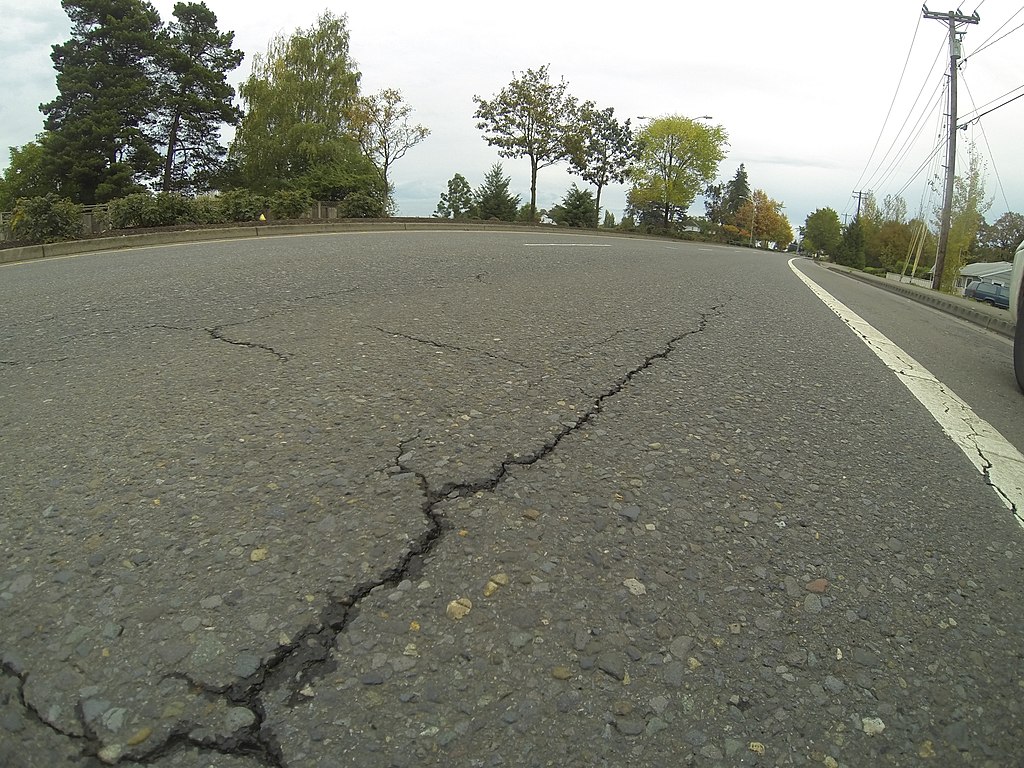
- Chip sealing is not effective on cracked pavement, so any cracks should be repaired before application.
Chip Seal Designs
There are a variety of different chip seal designs, and each one has its own advantages and disadvantages. When choosing a chip seal design, it is important to consider the specific needs of your project.
There are three main types of chip seal designs: the full depth design, the partial depth design, and the surface seal design.
The full depth design is the most common type of chip seal design. This design involves applying a layer of asphalt over the entire surface of the road. The advantage of this design is that it provides a good bond between the asphalt and the road surface.
The partial depth design is similar to the full depth design, but only a portion of the asphalt is applied to the road surface. This design is typically used on roads that have a high traffic volume. The advantage of this design is that it requires less asphalt, which can save money.
The surface seal design is the least common type of chip seal design. This design involves applying a layer of asphalt to the top of the road surface. The advantage of this design is that it provides good drainage and prevents potholes from forming.
Best Practices To Follow
There are a number of things you have to keep in mind when carrying out chip sealing, in order to ensure the best results possible.
One of the most important things to remember is to make sure the surface to be treated is clean and dry before starting work. Any dirt, dust, or debris on the surface will prevent the asphalt from bonding properly with the aggregate, which will decrease the overall lifespan of the chip seal.
Another best practice to keep in mind is to use the proper amount of asphalt. Too much or too little asphalt will both adversely affect the quality of the chip seal. The right amount of asphalt will ensure that the aggregate is properly coated, and that there is enough binder to fill in any cracks or pores in the pavement.
It is also important to make sure that the asphalt is properly heated before it is applied to the surface. If the asphalt is too cold, it will not bond properly with the aggregate. Conversely, if the asphalt is too hot, it can damage the pavement.
Finally, it is also important to compact the chip seal after it has been applied. This will ensure that the binder and aggregate are properly bonded, and that the chip seal will last for its intended lifespan.
Cost Of A Chip Sealing Project
The average cost of chip sealing will vary depending on the size of the project, but it will typically cost around $3 to $5 per square foot.
Tips To Take Note When Choosing A Chip Seal Contractor
When selecting a chip seal contractor, choose the one that has enough experience and a good reputation like Arrow Asphalt LLC in Oklahoma City. Then, you must get multiple bids from different contractors to compare prices. And lastly, ask the contractor for references from previous customers to know the kind of work you’ll get once you decide to hire them.
All in all, chip sealing is a great way to prolong the life of your pavement and save money in the long run. And with proper planning and execution, this pavement preservation technique can be a successful project for your home or business establishment.